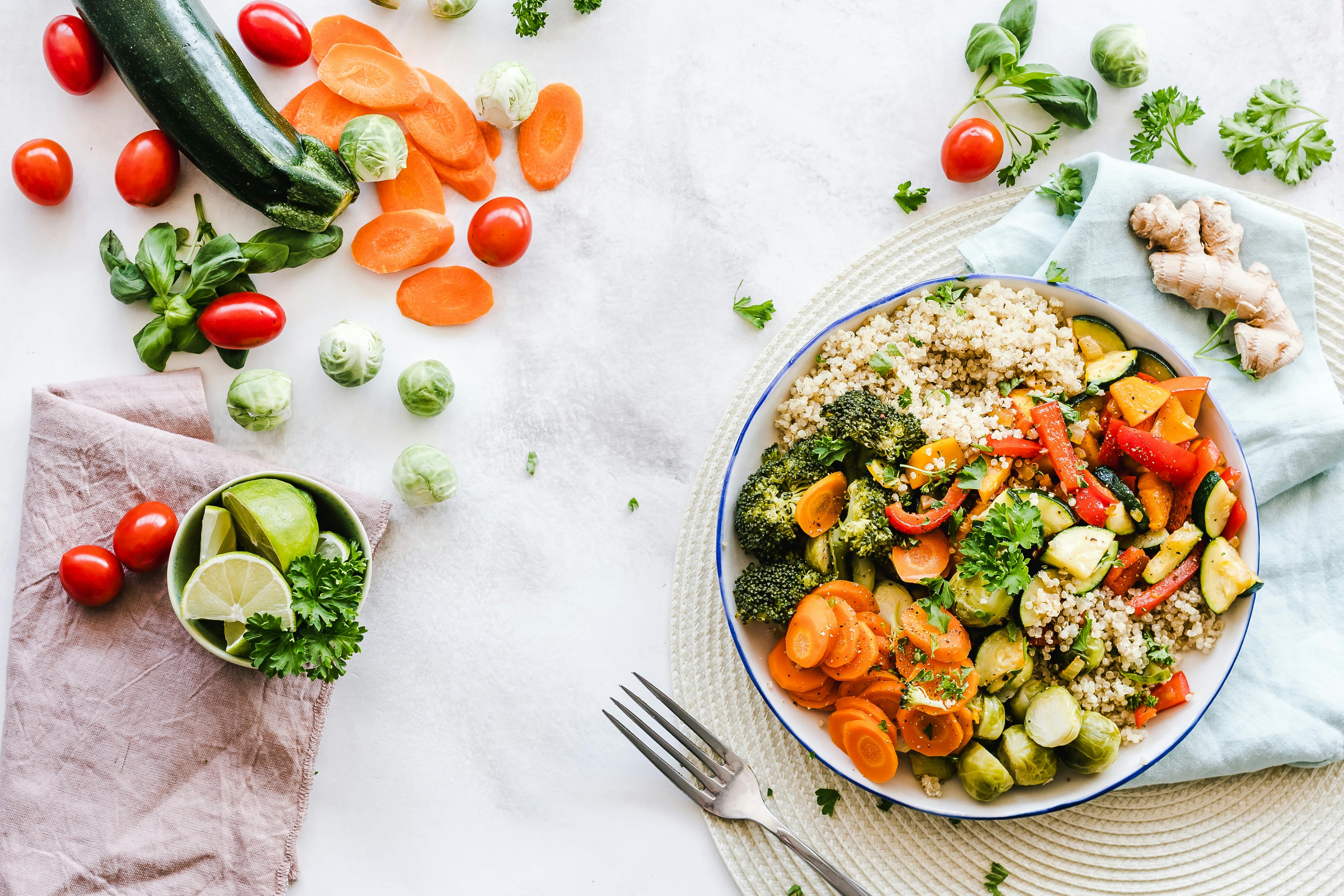
Kidney-Friendly Doesn’t Mean Flavorless: 8 Ways to Boost Flavor Without Salt

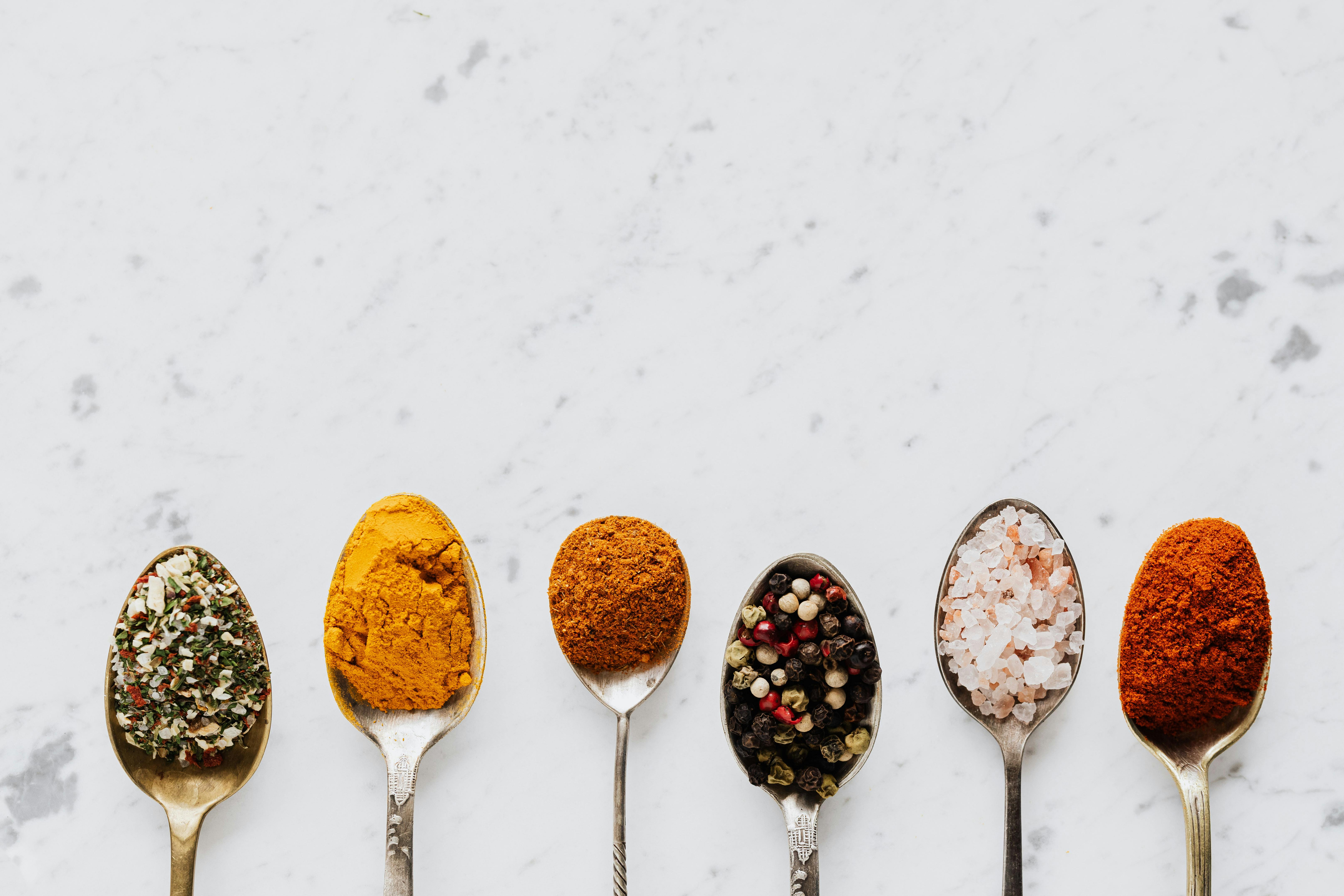
Kidney-Friendly Doesn’t Mean Flavorless:
8 Ways to Boost Flavor Without Salt
One of the first things people hear after a CKD diagnosis is:
“Watch your sodium.”
And suddenly, food starts to feel… flat.
You try cooking without salt and everything tastes bland. Dry. Incomplete. It can feel like flavor itself has been taken off the table.
But here’s the truth:
Salt is only one layer of flavor.
When you understand how flavor actually works, you realize something powerful — you don’t need more sodium. You need more strategy.
Here are 8 practical, kidney-conscious ways to make food taste incredible without relying on salt.
1. Use Acid to Brighten Everything
Lemon juice. Lime. Vinegar.
Acid doesn’t make food sour — it makes it vibrant.
A squeeze of lemon over grilled chicken.
A splash of vinegar in lentil soup.
A drizzle of lemon over roasted vegetables.
Acid wakes up flavor the same way salt does — but without the sodium.
2. Toast Your Spices
Cumin, coriander, paprika, turmeric, black pepper — they all transform when lightly toasted.
Instead of adding spices raw, heat them in olive oil for 30–60 seconds before adding other ingredients.
The result?
Deeper aroma. Warmer flavor. More complexity.
You’ll need less seasoning overall.
3. Layer Garlic and Onion (Properly)
Garlic and onion are foundational in many cuisines — and they’re natural flavor amplifiers.
Try:
- Sautéing onions slowly until golden
- Roasting whole garlic cloves
- Using both fresh garlic and garlic powder in the same dish
Layered aromatics create depth that makes salt feel unnecessary.
4. Use Fresh Herbs Generously
Parsley. Cilantro. Dill. Mint. Basil.
Fresh herbs add brightness and complexity.
Instead of using them as garnish, use them as ingredients:
- Stir chopped parsley into rice
- Add mint to salads
- Finish soups with cilantro
Herbs bring freshness that balances lower sodium cooking.
5. Build Umami (Naturally)
Umami is the “savory” flavor that makes food satisfying.
Kidney-conscious sources of umami include:
- Caramelized onions
- Mushrooms (in appropriate portions)
- Tomato paste (small amounts)
- Roasted vegetables
When you deepen the savory base of a dish, you won’t miss the salt.
6. Focus on Texture
Sometimes food feels bland because it’s texturally flat.
Add:
- Toasted nuts (portion-controlled)
- Roasted chickpeas (small amounts)
- Crunchy cucumber
- Lightly charred vegetables
Contrast creates interest — and interest feels like flavor.
7. Marinate, Don’t Just Season
Instead of sprinkling seasoning right before cooking, let flavors absorb.
Marinate proteins with:
- Olive oil
- Lemon juice
- Garlic
- Cumin
- Black pepper
- Fresh herbs
Even 30 minutes makes a difference.
Marinating allows flavor to penetrate, not just sit on the surface.
8. Finish With Flavor
Professional kitchens don’t just cook — they finish.
A final drizzle of olive oil.
A squeeze of lemon.
A handful of chopped herbs.
A sprinkle of toasted spices.
These finishing touches add dimension without increasing sodium.
A Shift in Mindset
Kidney-friendly cooking isn’t about removing flavor.
It’s about learning how flavor really works.
When you rely only on salt, food feels incomplete without it.
When you build flavor through acid, aromatics, spices, texture, and technique — you gain control.
And control reduces fear.
You Don’t Have to Choose Between Health and Taste
Food should still feel comforting. Familiar. Enjoyable.
Lowering sodium doesn’t mean lowering joy.
It means cooking with more intention.
And once you understand these techniques, you may find your food tastes better than it ever did before.
Real stories
What families are saying about their experience with ThreeKidneyBeans.
Keep reading
Discover more stories, recipes, and guidance for living well with CKD.