
Karkadeh (Egyptian Hibiscus Drink)
This Egyptian classic arrives on your table without the worry. We've kept what makes it sing—the layers, the spice, the soul—while respecting what your kidneys need.
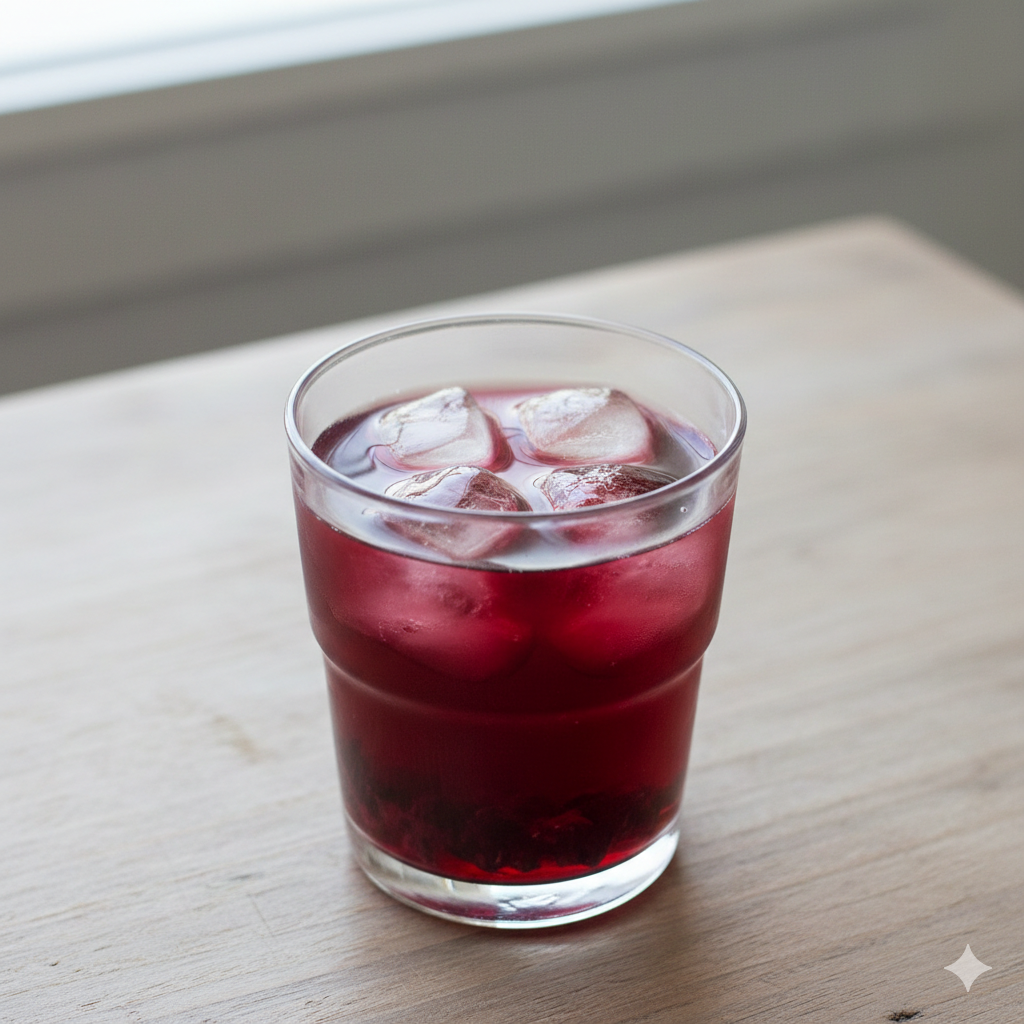
What you need and how to make it
Ingredients (4 small servings)
- ¼ cup dried hibiscus petals
- 4 cups water
- 1–2 tbsp monk fruit sweetener or liquid stevia (to taste)
(If allowed by your care plan: up to 1–2 tbsp sugar total for all servings) - ½ tsp rose water (optional, Egyptian-style flavor)
- Ice (optional, if fluids allow)
Hibiscus drink, known as karkadeh, originated in Africa from the roselle plant and became especially popular in Egypt and Sudan. Valued for its refreshing taste in hot climates, it became a traditional beverage at celebrations and gatherings, served either chilled or warm.
Instructions
- Rinse hibiscus petals quickly under cold water to remove dust.
- Boil water, then remove from heat.
- Add hibiscus, cover, and steep for 10–15 minutes.
- Do not boil the petals for long periods (can intensify mineral extraction).
- Strain into a pitcher.
- Add sweetener gradually, tasting as you go.
- Chill before serving.
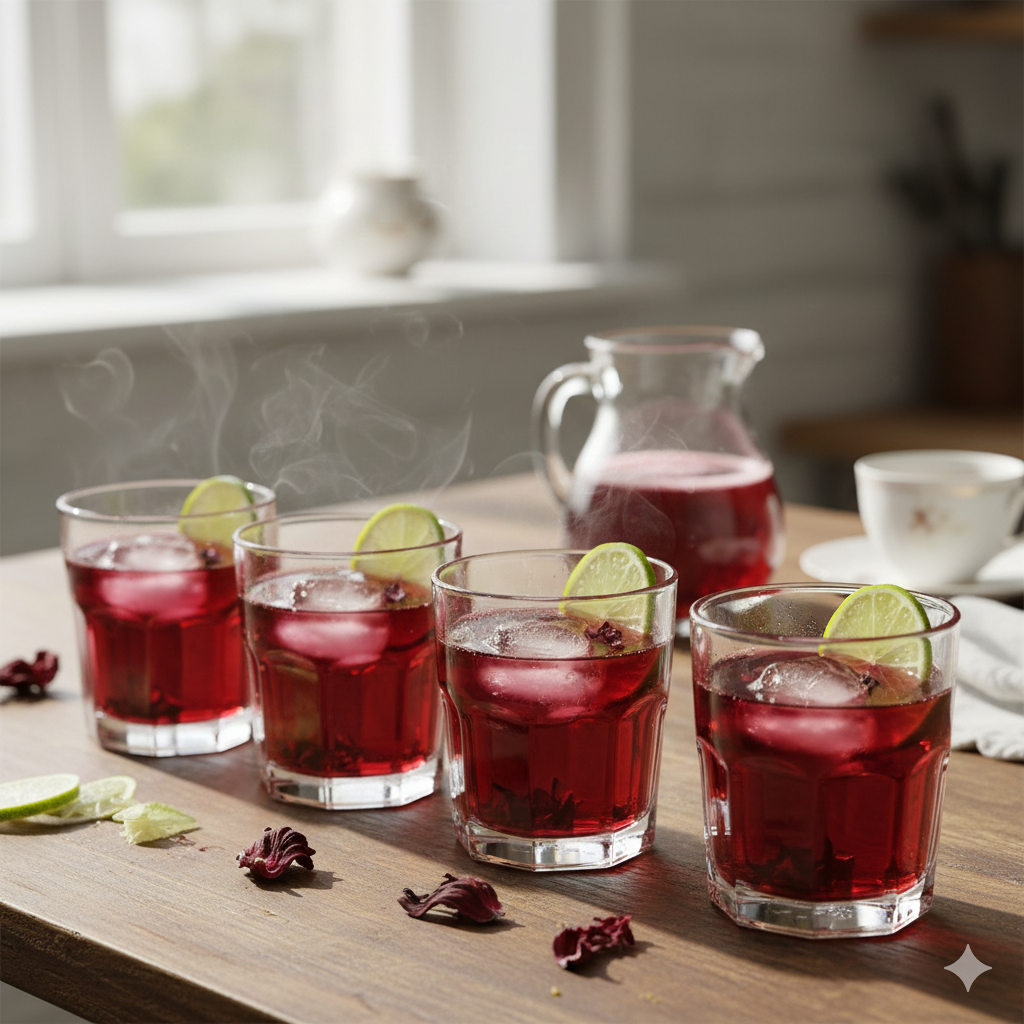
Hibiscus drink (karkadeh) is a traditional Egyptian beverage made by steeping dried hibiscus petals in water, creating a deep ruby-red drink with a bright, tart flavor. In Egypt, it’s served both chilled in the summer and warm in cooler months, often lightly sweetened. Refreshing and naturally vibrant, it’s known for its crisp, cranberry-like taste and beautiful color.

Sodium controlled
Under 300mg per serving — so every bite supports your blood pressure, not your stress levels.
Phosphorus managed
Every ingredient chosen so your kidneys aren't working overtime after dinner.
Potassium aware
Built around your lab values, not just a generic list of foods to avoid.
Real stories
What families are saying about their experience with ThreeKidneyBeans.
Keep this recipe close
Save it, print it, share it with the people who matter most in your kitchen.